Neighborhood Programs
We can help
We are excited to offer educational classes and support groups all over our community. You’re invited to come hear our speakers at Valley neighborhood events and learn more about dementia and discover helpful resources. There is no cost, but registration is encouraged for each session. Please call (602) 767-8300 to learn more about attending a talk or about scheduling a talk for your community with one of our dementia educators.
Wednesday, February 11, 2026
10–11:30 a.m
Grand Community Baptist Church
18350 N Goldwater Ridge Dr, Surprise, AZ 85374
From Clarity to Confusion: Healthy Age-related Brain Changes vs. MCI and Dementia. Explains the difference between normal aging and cognitive decline.
RSVP: (602) 636-5398 or email
events4@hov.org
Thursday, February 26, 2026
9–11 a.m.
American Lutheran Church
17200 N. Del Webb Blvd, Sun City, AZ 85373
From Clarity to Confusion: Healthy Age-related Brain Changes vs. MCI and Dementia. Explains the difference between normal aging and cognitive decline.
RSVP: (623) 974-2512
Tuesday, March 3, 2026
10–11:30 a.m.
Desert Palms Presbyterian Church,
13459 W Stardust Blvd, Sun City West, AZ 85375
Meaningful Connections: using improvisation as a tool for communicating with people living with dementia. This engaging presentation features experts in the field of dementia care and improv actors who specialize in elevating the caregiving experience.
RSVP: (623) 471-9355 or email
SunHealthWellness@SunHealth.org
Saturday, March 28, 2026
9–11 a.m.
La Casa de Cristo Lutheran Church
6300 E Bell Rd, Scottsdale, AZ 85254
Understanding Dementia: A Challenging Journey
RSVP: (480) 948-1234
In Spanish
Thursday, February 12, 2026
10–11:30 a.m.
GESD System of Care Center
7677 W. Bethany Home Road, Glendale, AZ 85303
Dementia Overview and Support Group, Including Community Resources.
In Spanish
Saturday, February 28, 2026
12:30–4:00 p.m.
Barrow Neurological Institute, Sonntag Pavilion Hall
3rd Avenue and Muhammad Ali Way, Phoenix, AZ 85013
Planning Together for the Future-in Spanish. Educational Forum and Resource Fair. A panel discussion that covers advance directives, caregiver support options and more! To reserve a space call Tania Gomez Morales at (602) 406-2792.
Sunday, March 15, 2026
10:30–11:30 a.m.
Foothills Christian Church
3951 W. Happy Valley Rd., Glendale, AZ 85310
Presented by Pastor Karen Stewart
Normal Aging or Something Else
This presentation explores the differences between normal memory changes associated with aging and those indicative of dementia, helping participants identify key distinctions.
RSVP: email events2@dementiacampus.org or call (602) 767-8300.
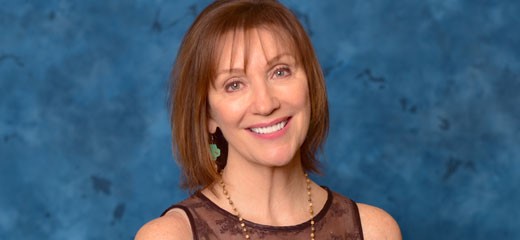
Maribeth Gallagher, DNP, PMHNP-BC, FAAN is the Director of the Dementia Program at Hospice of the Valley. Dr. Maribeth Gallagher is a board-certified Psychiatric Nurse Practitioner with a Doctoral degree in Nursing. Dr. Gallagher’s commitment to optimizing dementia care was initially inspired by her own experiences as a family caregiver, sharing the journey with her loved one with dementia from diagnosis to death.
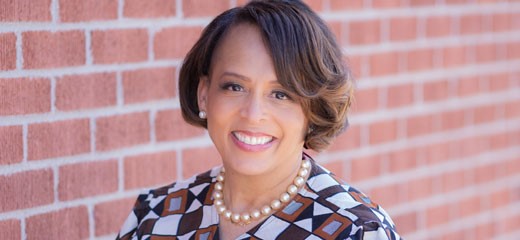
Pastor Karen Stewart is our Dementia Outreach Educator at Hospice of the Valley. Karen teaches Dementia Moments: An interactive workshop that simulates the cognitive challenges faced by people living with dementia, designed to foster deeper understanding.

Maria Rebozo-La Pine has spent nearly two decades in healthcare and is passionate about helping people understand more about dementia. She loves sharing Hospice of the Valley’s care programs with families in our community and connecting them with vital resources that make a huge difference in their lives. Maria’s presentations are conducted in English or Spanish.
This presentation explores how normal memory changes associated with aging differ from those indicative of dementia. It provides an overview of the most common types of the disease and how they progress. Participants also learn how symptoms develop and affect individuals over time, and which strategies are most meaningful for those who may be showing signs of dementia.
A general review of the most common types of dementia and how progressive brain changes impact thinking, functioning and behavior.
An interactive experience that presses participants to perform everyday tasks as if they were living with a cognitive impairment. The exercise is followed by education that explains how progressive brain changes impact thinking, functioning and behavior. Most importantly, we explore person-centered approaches that optimize meaningful connections.
This 30-minute interactive session offers activities and discussions that deepen our understanding of the challenges commonly experienced by individuals living with dementia. Participants will learn valuable dementia care principles, emphasizing communication strategies and approach skills that help them comfort and connect more effectively with those living with dementia.
Behavioral expressions serve as a form of communication and often indicate the person living with dementia is experiencing discomfort in body, mind or spirit. We will explore methods to decode that language of distress and to maximize comfort and quality of life.
Living in the reality of a person living with dementia can be a challenge when their view of the world is different from our own. Using “Yes, and” skills adapted from improv can help validate their feelings and experiences without agreeing to something that is not safe or possible. Learn how to understand and respond without causing a conflict in this interactive session.
The overall goal is to teach healthcare professionals a step-by-step approach to enhancing comfort, improving quality of life and creating meaningful connections with persons living with dementia. This is achieved through effective techniques and sensory stimulation.
Evidence-based studies show how music positively impacts persons living with dementia. Learn the simple process of teaching staff and families how to provide individualized music to foster joy, bring comfort and enhance quality of life.
Caring for a person with dementia can take a physical and emotional toll on the caregiver. Explore ways to utilize community resources and discover ways to prioritize self-care.
The goal is to provide participants with information on holiday-related concerns for persons living with dementia and offer practical tips to make the season more enjoyable for patients and their families.